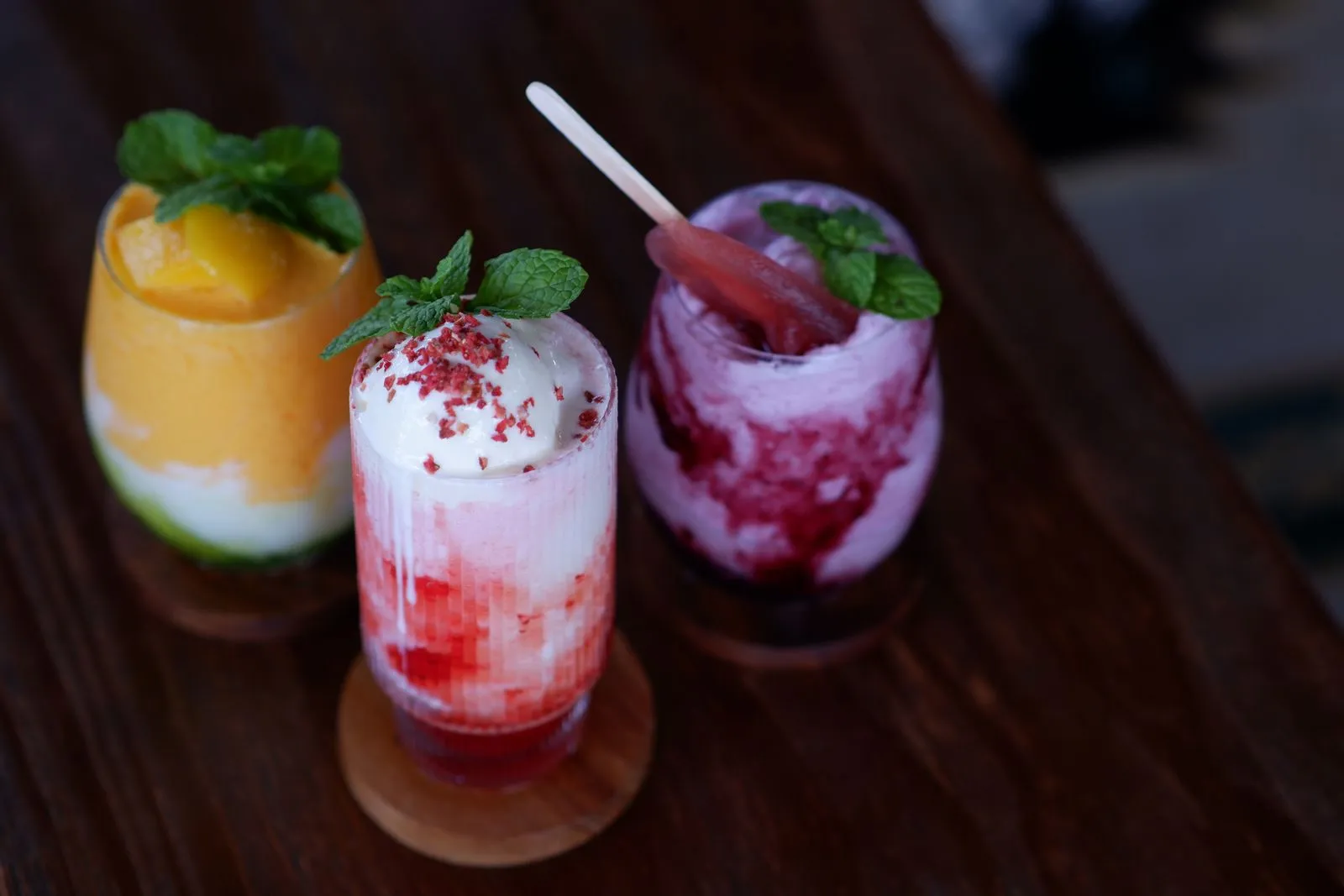
A smoothie can be refreshing yet leave you hungry soon after. The difference often comes down to what goes into the blender and how those ingredients work together. Fruit brings flavor and body, while plant-based ingredients and selected add-ins can make a drink thicker and more substantial. You don’t need a long list of extras: choosing ingredients with different textures and roles can help you build a smoothie that feels satisfying and suits your appetite.
Start With Fruit and Texture
Fruit gives a smoothie natural sweetness, flavor, and structure. Bananas and mangoes blend into a soft, creamy base, while berries add tartness and a little texture from their seeds. Frozen fruit usually makes a thicker drink than fresh fruit, so it can help create a more substantial feel without relying on ice, which can dilute the flavor.
Balance fruit with enough liquid to help your blender work, but add it gradually. Too much liquid can leave a smoothie thin and quick to drink. If the mixture seems runny, blend in more frozen fruit or a spoonful of oats. If it is too thick, add a small splash of plant milk or water and blend again.
Choose Plant-Based Ingredients
Plant-based milks bring different flavors and textures. Oat milk tends to blend smoothly, while soy milk has a fuller feel and a distinct taste. Coconut milk can add richness, so use it when that flavor suits the other ingredients. Check labels if you need a dairy-free option, since products and formulations can vary.
Silken tofu can make a smoothie creamy without adding a strong flavor, while unsweetened plant-based yogurt gives it a thicker, tangier finish. Start with a modest amount, then taste and adjust. These ingredients work especially well with berries, bananas, and nut or seed add-ins, but the best combination depends on your preferred flavor and texture.
Add Ingredients With Staying Power
Oats, chia seeds, and ground flaxseed can add body and make a smoothie feel more substantial. Oats blend best when given enough time to soften, so let the finished drink rest briefly if it feels grainy. Chia seeds absorb liquid and thicken as they sit; add extra liquid if the smoothie becomes too dense.
Nut or seed butters add a smooth, rich texture and pair well with fruit such as banana or berries. Use a small spoonful first because their flavor can quickly take over. For a balanced blend, choose one or two add-ins rather than combining everything. This keeps the drink enjoyable and makes it easier to identify which ingredients work for you.
Blend for the Right Consistency
Layer ingredients thoughtfully: add liquid first, followed by softer ingredients, then frozen fruit and any seeds or oats. This can help the blender pull ingredients toward the blades. Blend until smooth, pause to scrape down the sides if needed, and avoid adding more liquid before checking the consistency.
A thick smoothie is not automatically more filling, but texture can make it feel more like a meal than a thin drink. Pour it into a glass or bowl, and consider whether you want to sip it or eat it with a spoon. Adjust the ingredients to your appetite, and remember that a smoothie’s staying power varies with its ingredients and serving size.
For a more satisfying smoothie, combine flavorful fruit with a creamy plant-based base and one or two texture-building add-ins. Adjust the liquid gradually, taste as you blend, and note which combinations keep you comfortably satisfied. If you’re in Glasgow, Blended Glasgow is another place to explore dairy-free smoothie combinations.